A Historical Overview
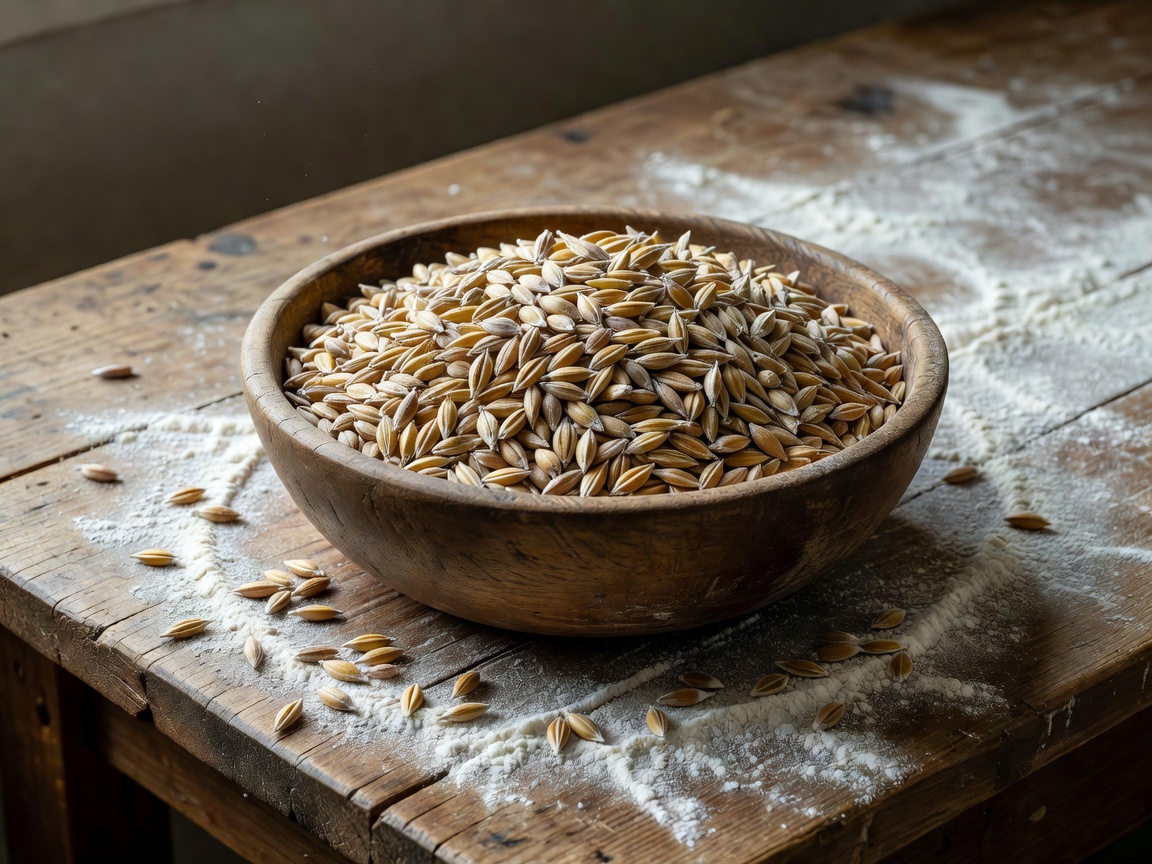
Spelt, scientifically known as Triticum spelta, is a species of hexaploid wheat. It holds a significant place in agricultural history, distinct from the common wheat (Triticum aestivum) that dominates global commodity markets today. Originating in the Near East, genetic evidence suggests spelt is a natural hybridization of domesticated emmer wheat and wild goat-grass. Unlike modern wheat varieties which are "free-threshing," spelt is a hulled grain. This means the tough outer husk (the glume) clings tightly to the kernel during harvest, requiring an extra milling step to remove it before the grain can be consumed.
This resilient husk, while an inconvenience to modern industrial processing, was historically a massive advantage. It protected the kernel from pests, moisture, and fungal diseases during storage. Because of its hardiness and ability to thrive in poor soils with minimal fertilization, spelt became a foundational staple crop throughout parts of Europe from the Bronze Age through the medieval period, particularly in the regions corresponding to modern-day Germany, Switzerland, and Austria.
Nutritional Profile: Spelt vs. Modern Wheat
While spelt is botanically related to modern wheat and absolutely contains gluten (making it unsuitable for those with Celiac disease), its nutritional makeup and the structure of its gluten present notable differences. Generally, whole spelt flour features a slightly higher protein content than standard whole wheat, alongside robust levels of dietary fiber, iron, zinc, and magnesium.
One of the most frequently discussed aspects of spelt is its digestibility. Many individuals who report mild sensitivities to modern commercial wheat find that they can tolerate spelt without discomfort. While definitive clinical consensus is ongoing, food scientists point to two potential reasons. First, the gluten in spelt is structurally different; it is more fragile and water-soluble, which may allow digestive enzymes to break it down more easily. Second, spelt contains lower levels of fructans (a type of fermentable carbohydrate or FODMAP) than modern wheat, which are often the true culprit behind non-celiac wheat sensitivity.
Culinary Applications and Baking Characteristics
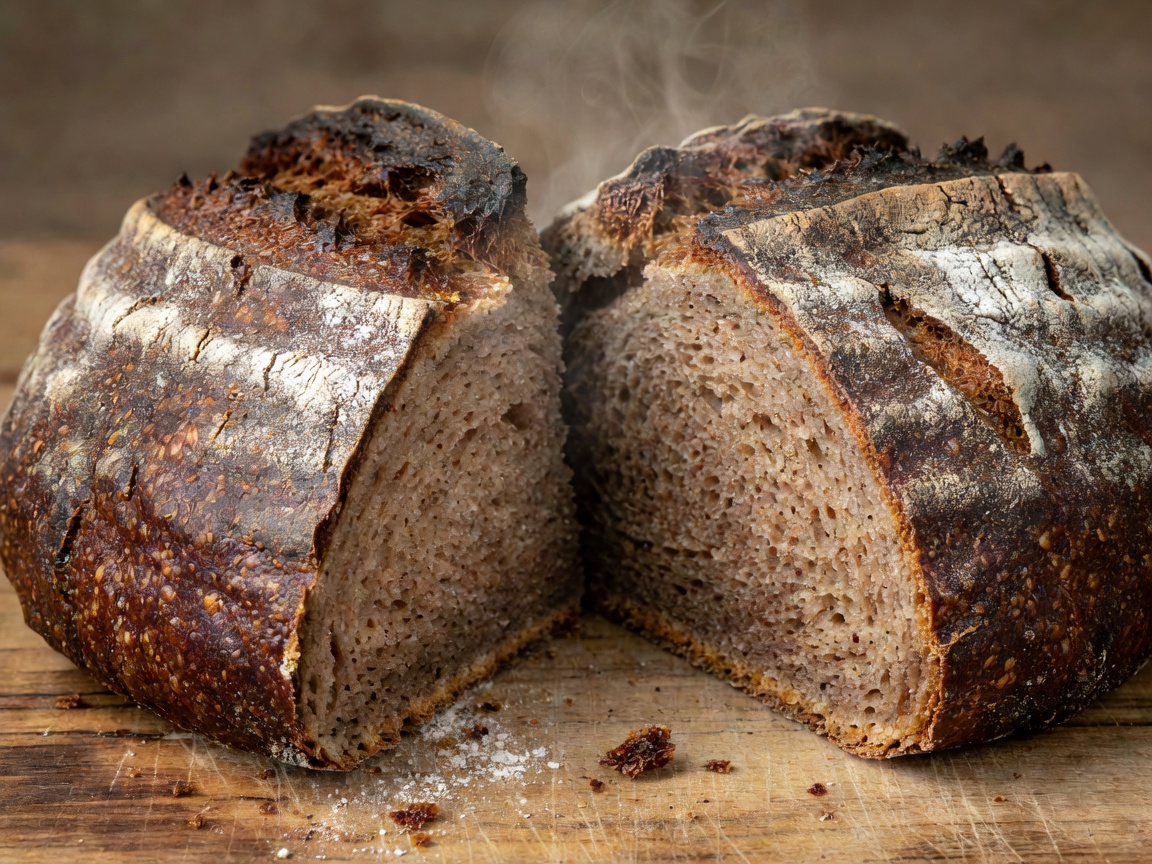
In the kitchen, spelt is prized for its mildly sweet, distinctly nutty flavor that adds profound depth to baked goods. It can be utilized in its whole berry form—excellent when simmered in broths or used as a base for hearty grain salads—or milled into flour.
When baking with spelt flour, artisan bakers must adjust their techniques. Because the gluten network in spelt is highly extensible (stretchy) but poorly elastic (lacking snap-back), spelt doughs can easily become slack and lose their shape if over-kneaded. Furthermore, spelt's high water solubility means it absorbs liquid differently than standard bread flour.
Tips for Baking with Spelt:
- Reduce Mixing Time: Spelt dough develops quickly. Over-mixing will cause the fragile gluten bonds to break down, resulting in a dense, flat loaf.
- Adjust Hydration Carefully: Start by holding back 10-15% of the water called for in a standard wheat recipe, adding it only if the dough feels too stiff.
- Use a Loaf Pan: For 100% spelt breads, using a physical support like a loaf pan can prevent the highly extensible dough from spreading outward rather than rising upward.
The Modern Revival
The resurgence of spelt over the past two decades is a testament to a growing consumer desire for foods with character, history, and traceability. As regenerative agriculture practices gain traction, spelt's ability to grow robustly without heavy synthetic chemical inputs makes it an attractive rotation crop for environmentally conscious farmers. Whether you are an avid home baker looking to experiment with complex flavors or someone seeking a nutrient-dense alternative to commodity flour, spelt remains one of the most accessible and rewarding ancient grains available today.