The Loss of Maize Diversity
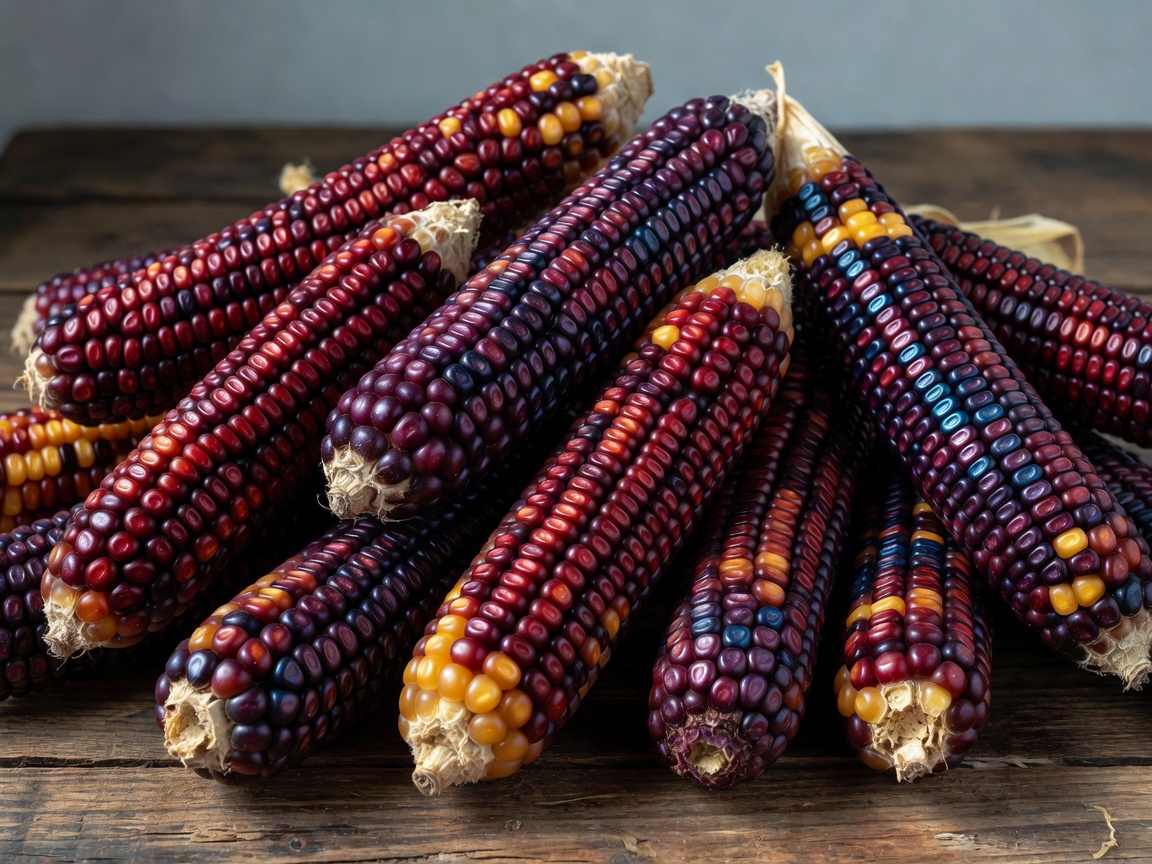
Corn, or maize (Zea mays), is arguably the most remarkable agricultural achievement of indigenous peoples in the Americas. Domesticated from a wild grass called teosinte in central Mexico nearly 9,000 years ago, it evolved into an incredibly diverse staple crop capable of growing in almost every climate on Earth. Historically, there were thousands of landraces of corn, each uniquely adapted to specific soils, rainfall patterns, and culinary uses—from sweet corns meant to be eaten fresh to hard flint corns destined for grinding.
However, the 20th century witnessed a catastrophic collapse in this genetic diversity. The advent of highly hybridized, commodity "Yellow Dent" corn shifted the focus of agriculture entirely toward yield, uniformity, and suitability for industrial processing (such as ethanol production and high-fructose corn syrup). Today, only a minute fraction of the corn grown globally possesses the rich genetics, colors, and flavors of its ancestors. Heirloom corn preservation is not just about culinary variety; it is an urgent effort to protect botanical genetics that could prove vital as climate patterns become increasingly unpredictable.
Celebrated Heirloom Varieties
Farmers and chefs are leading a renaissance in heirloom corn, bringing back varieties that offer profound culinary experiences entirely absent from commodity crops.
- Bloody Butcher: An Appalachian heirloom dent corn recognizable by its striking, deep blood-red kernels. Dating back to the 1840s, it is prized by artisan distillers for bourbon making and by chefs for producing a richly flavored, robust red cornmeal.
- Oaxacan Green: An ancient dent corn native to southern Mexico. The kernels exhibit a mesmerizing spectrum of emerald and jade greens. It is highly regarded for its nuttiness and is traditionally utilized for making green tamales and tortillas.
- Glass Gem: A relatively recent selection bred from ancient Native American flint corns. While famous on the internet for its translucent, rainbow-colored kernels that resemble glass beads, it is a functional popping and grinding corn, not meant to be eaten fresh on the cob.
The Alchemy of Nixtamalization
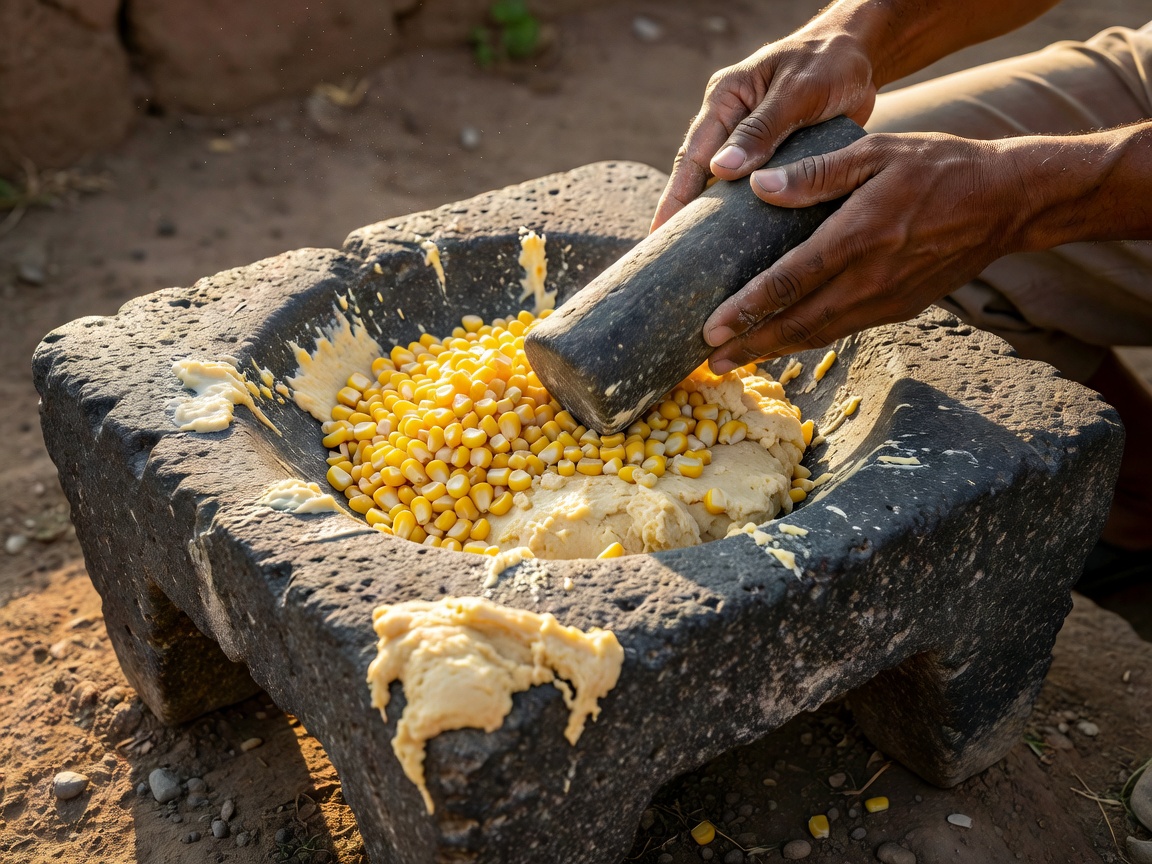
It is impossible to discuss the historical and nutritional importance of heirloom corn without discussing nixtamalization. This ancient Mesoamerican process involves cooking and steeping dried corn kernels in an alkaline solution, traditionally made with water and slaked lime (calcium hydroxide) or wood ash.
Nixtamalization physically transforms the corn. It dissolves the tough hemicellulose in the hull, making the grain easier to grind into masa for tortillas and tamales. More importantly, it performs a nutritional alchemy. Raw, untreated corn has niacin (Vitamin B3) bound in a form that the human body cannot absorb. Diets heavily reliant on untreated corn historically led to pellagra, a devastating deficiency disease. The alkaline bath in nixtamalization frees this niacin, allowing it to be absorbed, while also infusing the corn with calcium.
Flavor Superiority
The modern shift back to heirloom varieties is ultimately driven by flavor. Tortillas, grits, and polenta made from freshly ground, nixtamalized heirloom corn possess a depth that commodity cornmeal simply cannot match. The flavor profiles range from intensely earthy and mineral-forward to distinctly floral and sweet. By choosing heirloom corn products, consumers directly support the farmers maintaining this vital genetic library and participate in a culinary tradition that spans millennia.