The Dawn of Agriculture
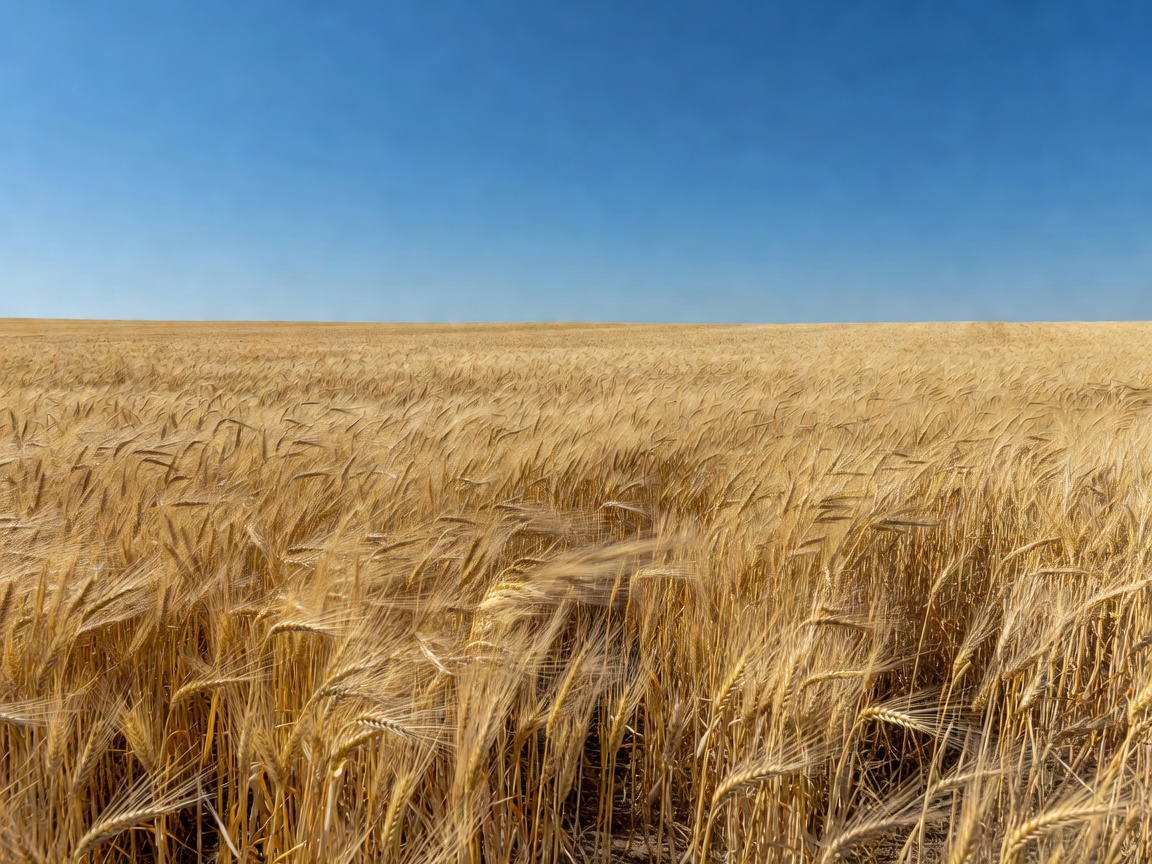
Long before the sprawling monocultures of modern wheat blanketed the globe, there was einkorn. Scientifically classified as Triticum monococcum, einkorn translates from German to "single grain," referencing the single seed found attached to each spikelet on the plant's head. Archaeological evidence places the domestication of wild einkorn in the Fertile Crescent—specifically around the Karaca Dağ mountains in southeastern Turkey—over 10,000 years ago. It is widely considered by botanists and historians to be the very first species of wheat successfully cultivated by early agrarian societies.
For thousands of years, einkorn sustained human populations as they transitioned from nomadic hunter-gatherer lifestyles to settled farming communities. However, as agriculture evolved, farmers sought crops with higher yields and easier processing. Einkorn, like spelt, is a hulled wheat, requiring significant effort to remove the inedible husk. Furthermore, it yields substantially less grain per acre than modern dwarf wheat varieties. Consequently, it was gradually largely abandoned, preserved only in isolated, mountainous regions of Europe and the Middle East where harsher climates prevented the cultivation of newer, more delicate wheat strains.
The Purity of Diploid Genetics
What makes einkorn truly remarkable today is its genetic simplicity. Wheat genetics are categorized by ploidy, or the number of sets of chromosomes a plant possesses. Modern bread wheat (Triticum aestivum) is hexaploid, containing 42 chromosomes resulting from multiple natural hybridizations over millennia. Emmer and durum wheats are tetraploid, with 28 chromosomes.
Einkorn is a diploid wheat, containing only 14 chromosomes. It is the purest, most ancient genetic line of wheat available. Because it has never hybridized with other species, its genetic makeup remains virtually identical to the wheat consumed by our Neolithic ancestors. This unadulterated genetic structure has profound implications for its nutritional profile and its interactions with the human digestive system.
Digestibility and Nutrition
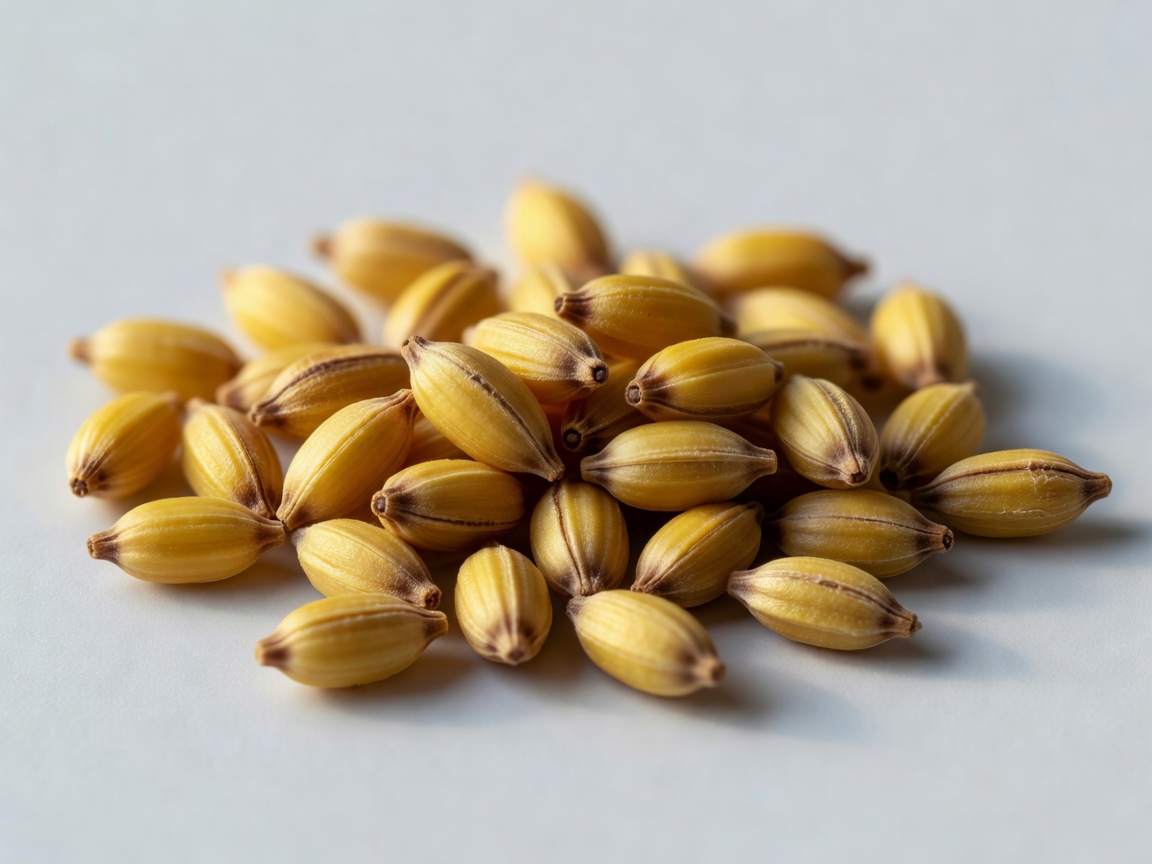
Because of its pristine genetic lineage, the gluten structure in einkorn is fundamentally different from that found in modern hybridized wheats. While einkorn does contain gluten and is therefore not safe for individuals with Celiac disease, it lacks certain high-molecular-weight gluten proteins that are known to trigger inflammation and sensitivity in many people. Many individuals who suffer from non-celiac gluten sensitivity report being able to consume einkorn products without adverse digestive reactions.
Beyond digestibility, einkorn is a nutritional powerhouse. Compared to modern wheat, einkorn consistently demonstrates higher levels of protein, essential fatty acids, phosphorus, potassium, and vitamin B6. It is particularly noted for its exceptionally high concentration of lutein, a powerful antioxidant associated with eye health, which imparts a beautiful, rich golden-yellow hue to einkorn flour and the baked goods made from it.
Working with Einkorn in the Kitchen
Baking with einkorn is an exercise in unlearning modern techniques. Because its gluten is extremely weak and lacks elasticity, it cannot be kneaded like standard bread dough. Attempting to windowpane an einkorn dough will only result in a sticky, degraded mess.
Instead, einkorn doughs are typically very wet and sticky, managed through gentle folding rather than aggressive kneading. It ferments much faster than modern wheat, requiring a watchful eye. Despite these challenges, the reward is extraordinary. Einkorn produces baked goods with an incredibly tender crumb and a complex, toasted, subtly sweet flavor that requires no masking with heavy sugars or fats. From delicate pastries and pancakes to rustic, dense sourdough loaves, einkorn offers a direct, delicious connection to the origins of human agriculture.