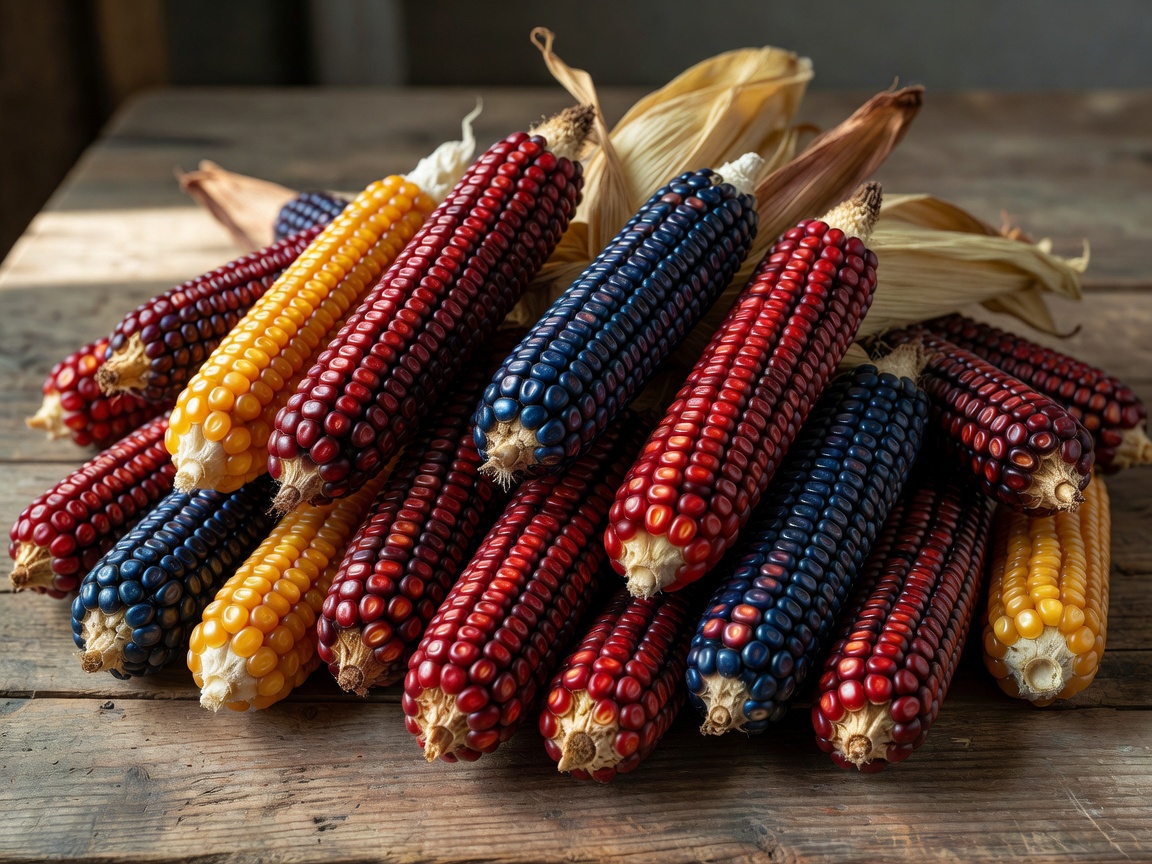
Why Preserve Heirloom Varieties?
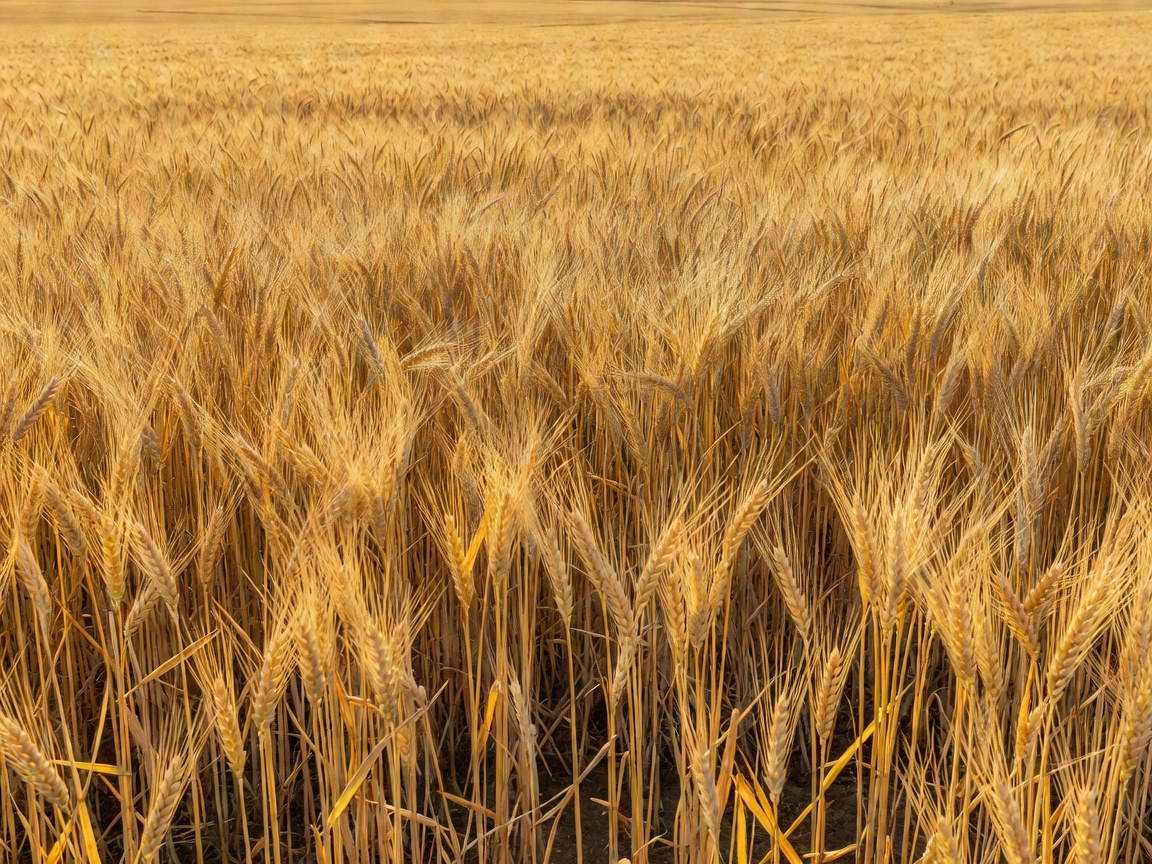
In the mid-20th century, agricultural practices shifted dramatically toward high-yield, uniform crop varieties. While this transformation successfully increased global caloric output, it came at a significant cost to biodiversity, flavor, and soil health. Modern commodity crops are bred primarily for pest resistance, transportability, and visual uniformity.
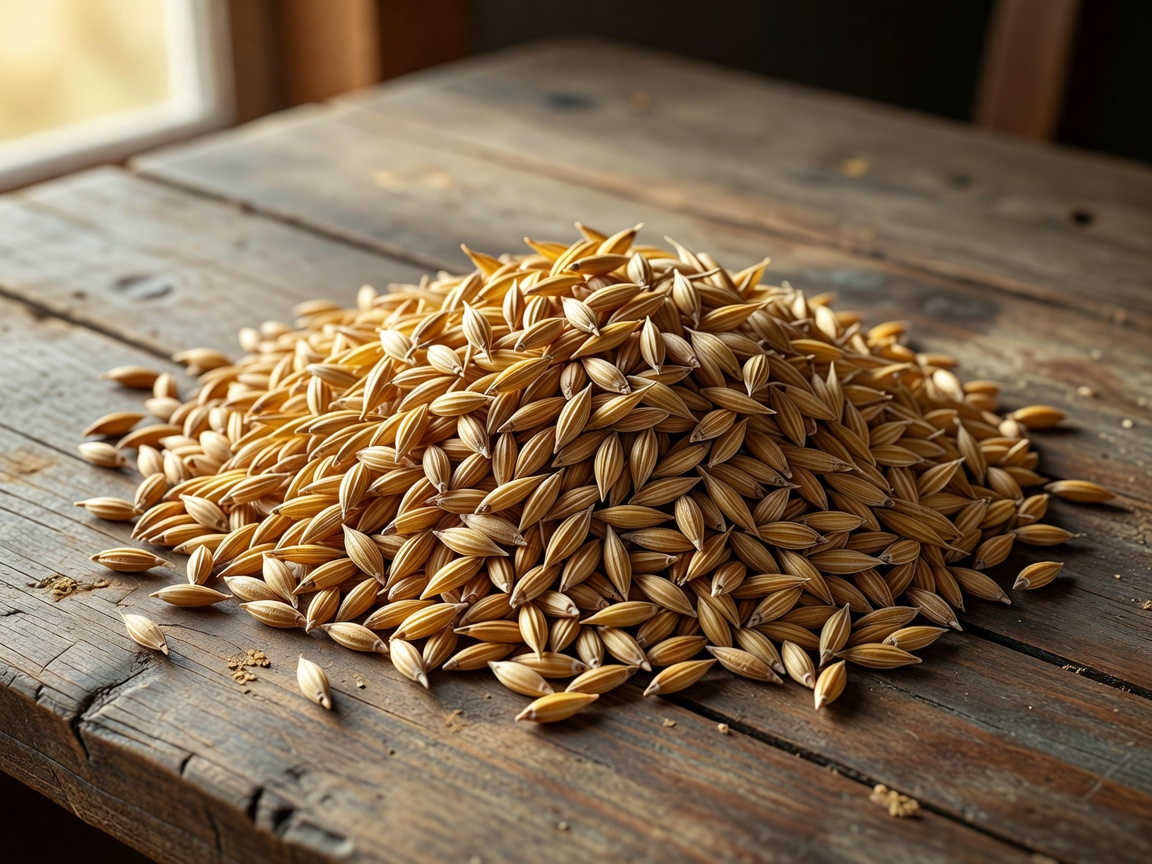
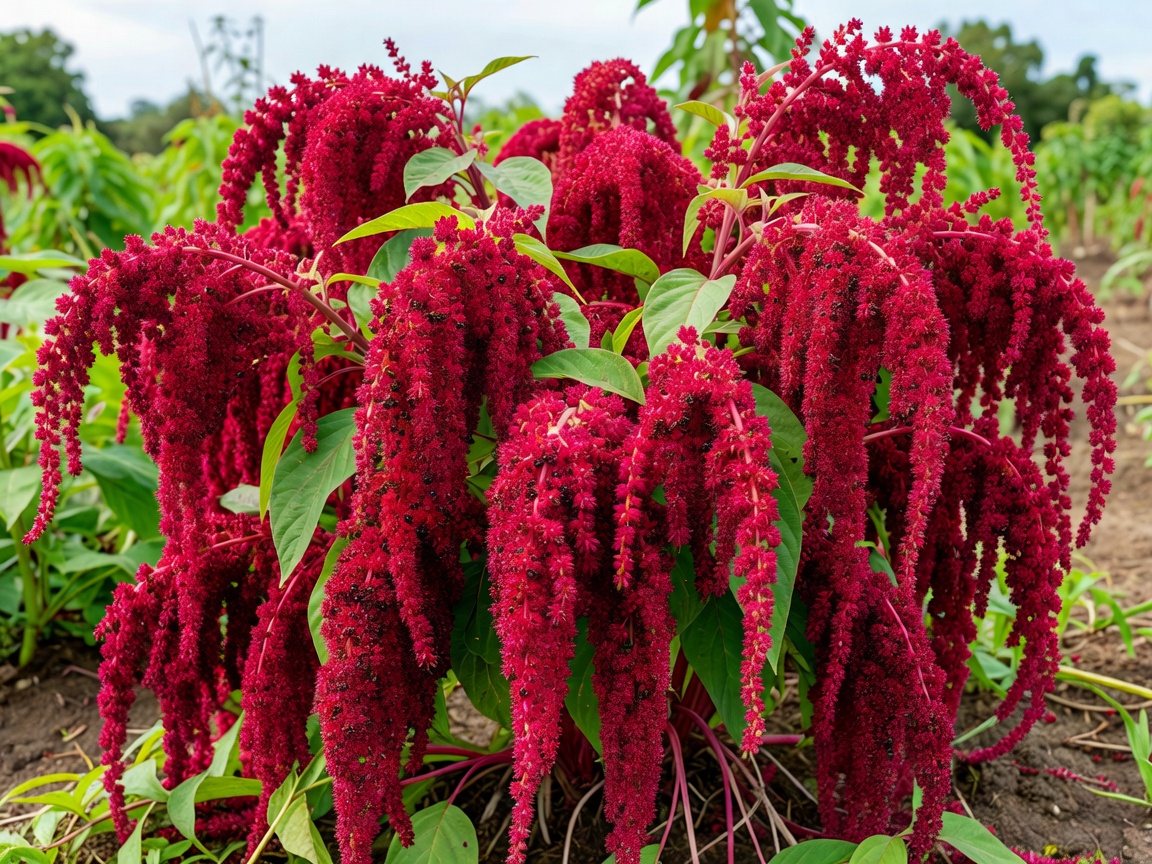
Heirloom varieties and ancient grains represent the botanical legacy of thousands of years of careful seed saving by farmers across the globe. These plants adapted to specific microclimates, developing deep, complex root systems that allowed them to draw diverse minerals from the soil. This genetic diversity is not merely a historical curiosity; it is a vital safeguard against future agricultural blights and shifting climate conditions.
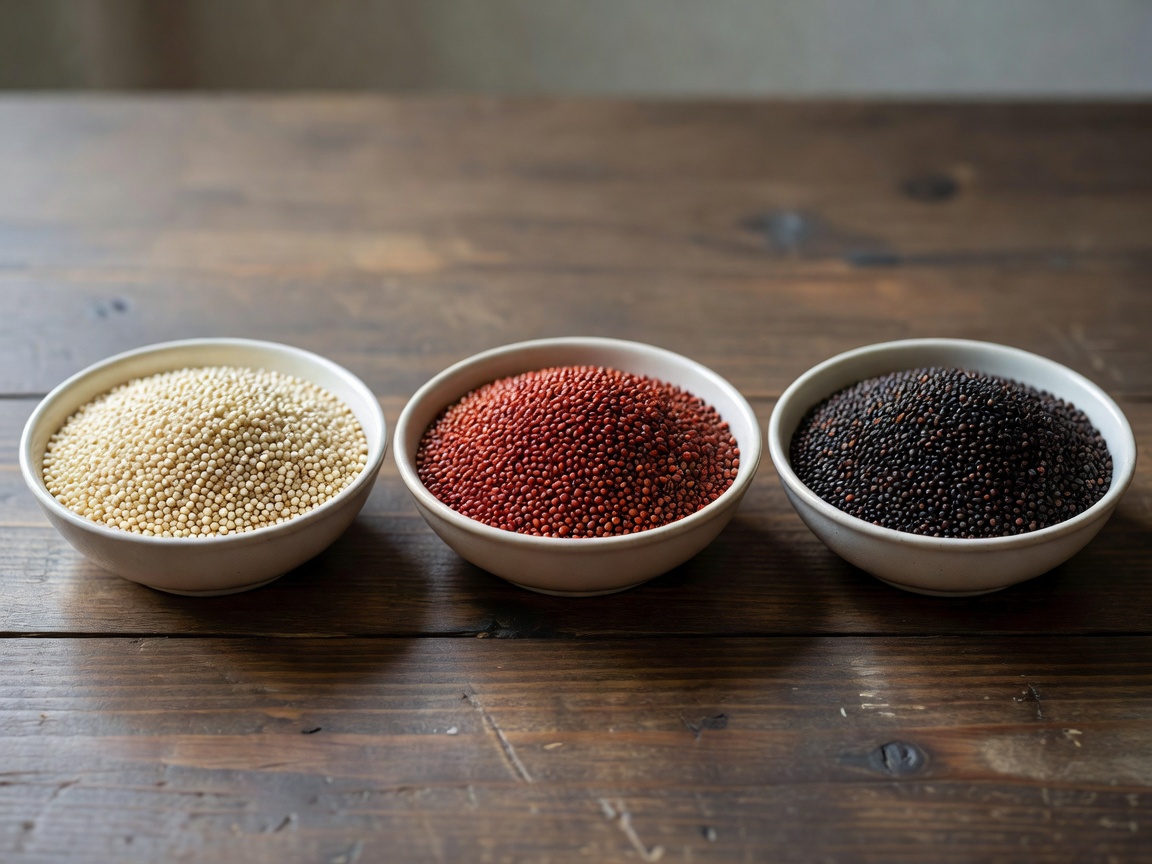
By choosing to cultivate, purchase, and consume these older varieties, we support a more resilient agricultural framework. We also rediscover textures and flavors—nuttiness, earthiness, and profound depth—that have been bred out of modern supermarket staples.