A History Forged in Empire
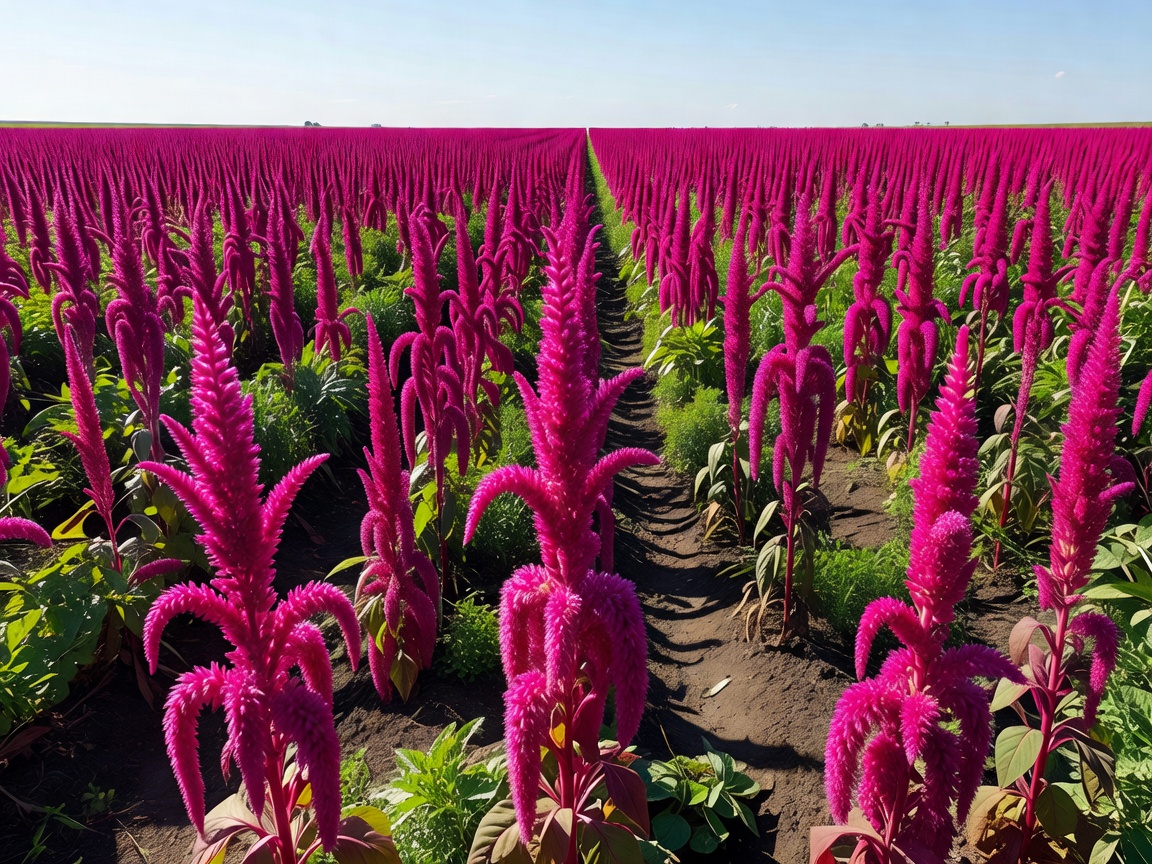
Amaranth, encompassing over 60 species within the Amaranthus genus, is an ancient pseudocereal with a history as dramatic as its vividly colored foliage. Native to Mesoamerica, amaranth was cultivated extensively by the Aztec civilization, where it was arguably as important as maize as a dietary staple. Producing millions of tiny, nutrient-dense seeds per plant, amaranth was a highly efficient crop capable of sustaining large populations.
However, amaranth was more than just food; it was deeply intertwined with Aztec religious practices. During ceremonial months, popped amaranth seeds were mixed with honey or agave sap to form effigies of deities. These statues were worshipped and subsequently broken apart and consumed by the populace in a ritual of communion. When Spanish conquistadors arrived in the 16th century, they viewed these rituals as a perverse mockery of Catholic communion. In an effort to subjugate the indigenous population and destroy their religious practices, the cultivation of amaranth was strictly outlawed under penalty of death, nearly driving the crop to extinction. It survived only in remote mountainous regions, hidden away by defiant farmers.
An Unrivaled Nutritional Profile
Today, amaranth is experiencing a profound resurgence, driven largely by modern science confirming what the Aztecs knew empirically: it is a nutritional powerhouse. Like quinoa, amaranth is a complete protein, containing all essential amino acids, including unusually high levels of lysine, an amino acid typically deficient in cereal grains like wheat and corn.
Furthermore, amaranth is uniquely rich in micronutrients. It contains significantly higher concentrations of calcium, iron, magnesium, and phosphorus than most standard grains. It is also one of the few plant-based sources of squalene, a lipid compound highly valued for its antioxidant properties and traditionally sourced from shark liver oil. The leaves of the amaranth plant, often called callaloo in Caribbean cuisines, are also highly nutritious and consumed similarly to spinach.
Culinary Uses: From Porridge to Popping
The amaranth seed is incredibly small, comparable to a grain of sand or mustard seed. Because of its size and its lack of gluten, it behaves differently in the kitchen than conventional grains.
When boiled, amaranth releases starch that thickens the cooking liquid, resulting in a gelatinous, cohesive texture rather than fluffy, distinct grains. This makes it an exceptional base for warm, comforting breakfast porridges, particularly when spiced with cinnamon and sweetened with maple syrup. It also functions well as a natural thickener for soups and stews.
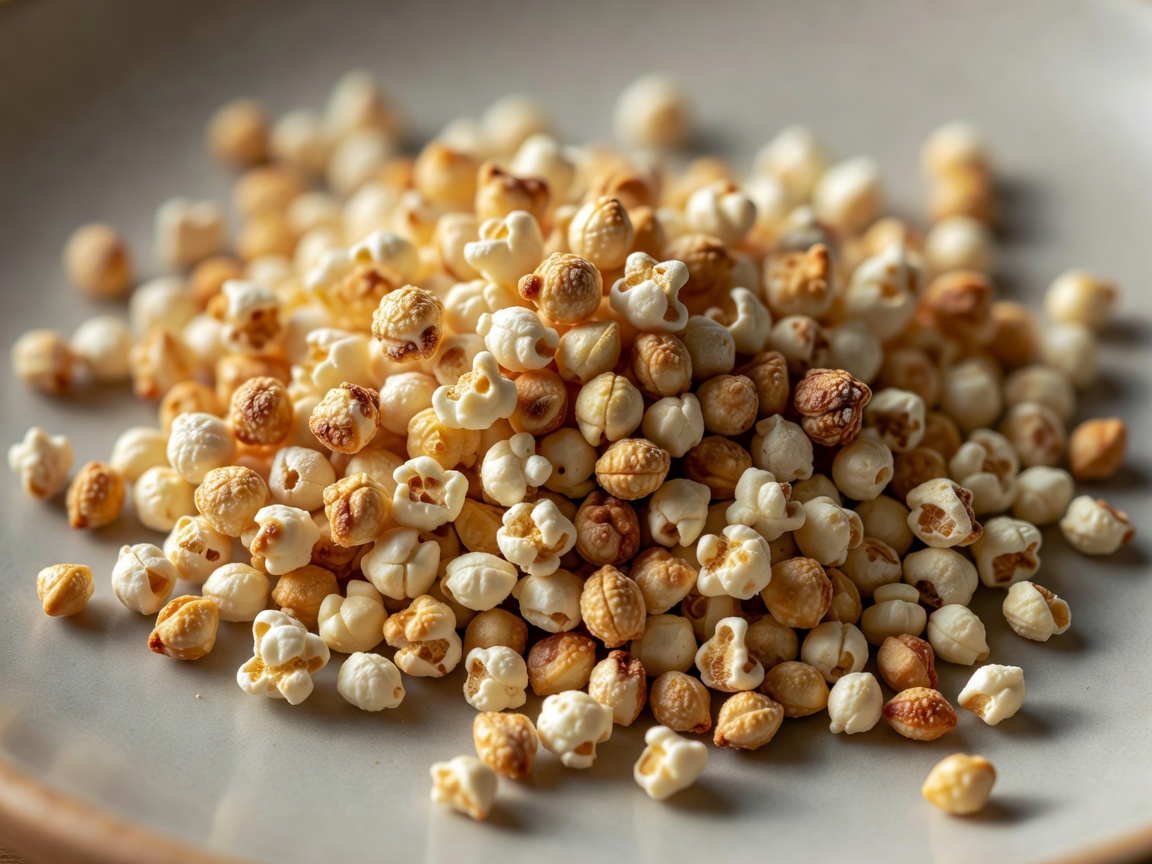
Perhaps the most traditional and delightful way to prepare amaranth is by popping it. When a small amount of dry amaranth is introduced to a smoking hot, dry skillet, the tiny seeds burst into miniature white puffs almost instantly. Popped amaranth retains a deeply nutty, toasted flavor and a delicate crunch. It can be utilized as a nutritious topping for yogurt, folded into bread doughs for texture, or bound together with honey to create traditional Mexican sweets known as alegrías (joys).
Agronomic Resilience
Beyond human nutrition, amaranth presents significant agronomic benefits in the face of changing global climates. It utilizes a C4 photosynthetic pathway, making it exceptionally efficient in high-temperature environments. It requires significantly less water than modern wheat or corn, demonstrating profound drought tolerance. As agricultural sectors look for crops capable of yielding high-quality nutrition under environmental stress, the ancient grain of the Aztecs stands out as a critical resource for the future.