A Pseudocereal of the Andes
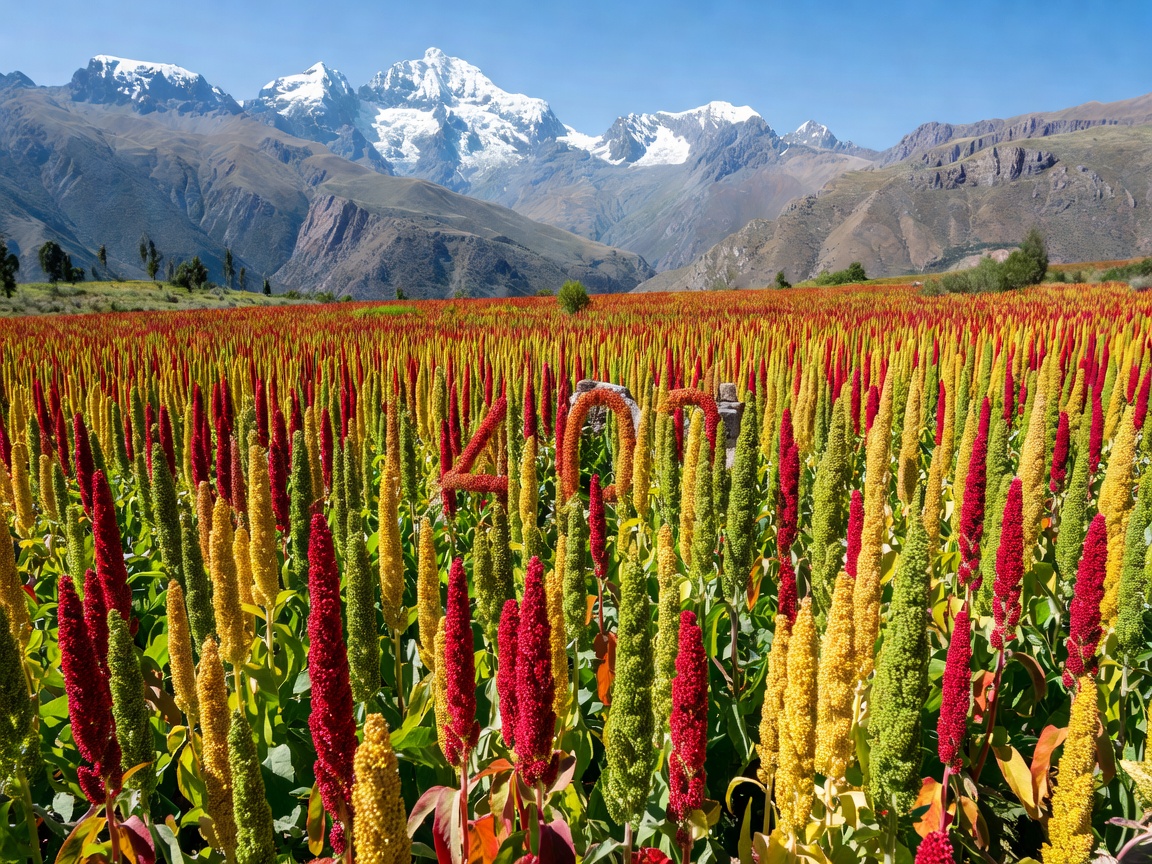
Quinoa (Chenopodium quinoa) is not botanically a true grass-derived grain like wheat, oats, or barley; rather, it is a pseudocereal closely related to spinach, amaranth, and beetroot. Indigenous to the Andean region of South America—encompassing modern-day Peru, Bolivia, Ecuador, and Colombia—quinoa has been cultivated for over 5,000 years. The Inca referred to it as chisaya mama, or "mother of all grains," holding it in profound religious and cultural esteem. It is famously resilient, capable of thriving at high altitudes in harsh, arid climates where traditional cereal crops would fail.
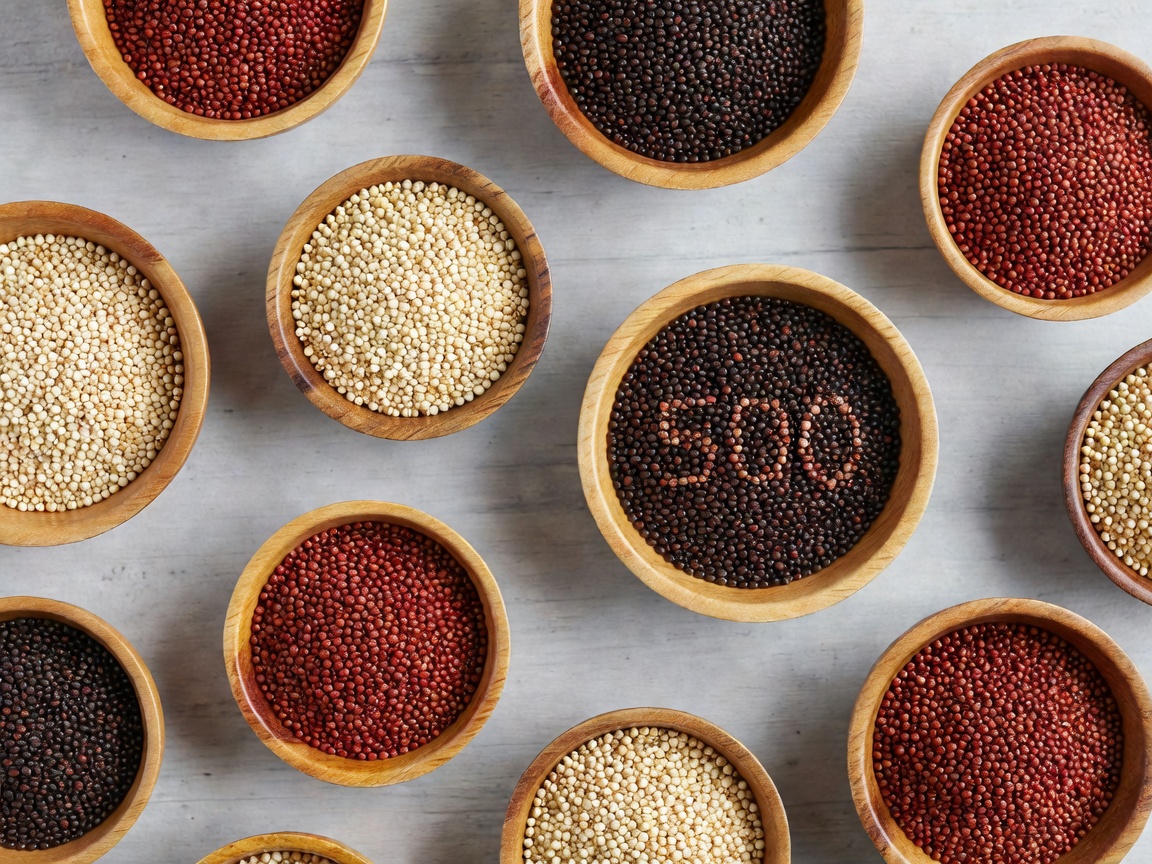
In western supermarkets, white quinoa is ubiquitous. However, the genetic diversity of quinoa is vast, with thousands of distinct varieties cultivated in the Andes. These varieties span a spectacular color spectrum, including vivid pinks, deep purples, fiery reds, and stark blacks. The color differences are not merely aesthetic; they indicate variations in texture, flavor profile, and subtle nutritional shifts.
Exploring Quinoa Colors
While the nutritional base remains similar across types, selecting the right color of quinoa depends heavily on the intended culinary application.
- White Quinoa: The most common variety, often referred to as ivory quinoa. It has the mildest, most neutral flavor and the softest texture when cooked. It fluffs up beautifully and serves as an excellent, unobtrusive base for strong flavors, acting much like a replacement for white rice.
- Red Quinoa: This variety holds its shape significantly better after cooking than white quinoa, offering a distinctly chewier texture and a more robust, earthy, and nutty flavor profile. Because it doesn't turn mushy easily, red quinoa is the preferred choice for cold grain salads, bowls, and hearty soups where textural contrast is desired.
- Black Quinoa: The most textural of the three common commercial varieties, black quinoa remains firm and provides a satisfying pop or crunch when eaten. Its flavor is deeply earthy and slightly sweeter than the red variety. It requires a slightly longer cooking time to become tender while retaining its structural integrity.
The Nutritional Powerhouse
The global surge in quinoa's popularity is largely driven by its exceptional nutritional profile. It is one of the very few plant foods considered a "complete protein," meaning it contains all nine essential amino acids that the human body cannot synthesize on its own. This makes it an invaluable dietary staple for vegetarians, vegans, and those seeking to reduce their reliance on animal proteins.
Additionally, quinoa is naturally gluten-free and boasts a high concentration of dietary fiber, magnesium, B vitamins, iron, potassium, calcium, and vitamin E. The darker varieties (red and black) also provide a higher concentration of antioxidant compounds, specifically flavonoids like quercetin and kaempferol, which help neutralize free radicals in the body.
The Importance of the Saponin Wash
A crucial aspect of preparing quinoa involves managing saponins. Saponins are naturally occurring phytochemicals that coat the exterior of the quinoa seed. In nature, this bitter, soap-like coating serves a vital purpose: it deters birds, insects, and other pests from eating the seeds before they can mature and propagate.
If quinoa is cooked without removing the saponins, the resulting dish will carry a distinctly bitter, astringent taste that many find unpalatable. While most commercially packaged quinoa sold today is pre-washed or "pearled" (mechanically abraded to remove the outer layer), it is always best practice to rinse quinoa thoroughly in a fine-mesh sieve under cold running water before cooking. You will often notice a soapy foam developing during the wash—this is the saponin dissolving. Once the water runs perfectly clear, the grain is ready to be toasted and simmered to perfection.